Protect your accounting and tax practice from costly pitfalls. Master essential risk management strategies to safeguard your reputation and financial security.
This course, presented by Jack Daiter, Vice President of Claims and Risk Education at CPA PLI, provides an in-depth look at risk management, claims prevention, and professional liability for accounting professionals across Canada. Drawing from over three decades of industry data, Daiter shares real-world insights into how and why claims occur — and more importantly, how CPAs can avoid them.
Through data-driven analysis, case studies, and practical risk mitigation techniques, participants will gain a deeper understanding of common causes of loss, internal control failures, communication pitfalls, and ethical challenges that lead to liability exposure.
Attendees will also learn the best practices for claims reporting, understand how CPA PLI handles professional liability matters, and leave with actionable strategies to strengthen client relationships, maintain professional integrity, and reduce the risk of claims in their practice.
Topics Covered
1. Understanding CPA PLI and the Role of Professional Liability Insurance
2. Claims Data Insights and Risk Trends
3. Substantive Errors and Preventive Practices
4. Time-Related Errors and Managing Workload Risk
5. Communication, Documentation, and Client Management
6. Improper or Incomplete Advice
7. Conflicts of Interest and Ethical Conduct
8. Internal Controls and Staff Oversight
9. Cybersecurity and Data Protection for Accounting Firms
10. Reporting and Managing Claims

The CPA Small Practitioners’ Forum was created to offer an inviting, semi-causal, and easygoing professional development weekend that provides substantial professional development value to small practitioners. All profit earned by the CPA Small Practitioners’ Forum is donated to the Alberta CPA Education Foundation, so you are helping young people in Canada get scholarships for university. All these courses are reviewed by the delegates at the Forum in Banff annually so we have a great lineup that is adjusted every year to keep things relevant to small practitioners. If you work at a public accounting firm in Canada with employees of 1-50 people, you are our target demographic and you should find this course useful.
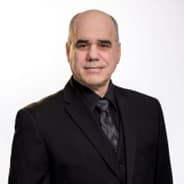
Vice President, Claims and Risk Education
Jack is a licensed lawyer in Ontario with over 30 years of experience in handling professional liability claims. He was called to the Bar of Ontario in 1987 and spent the first 10 years of his legal career in private practice as a civil litigator. In 1997, Jack transitioned in-house to work for the professional liability insurer for lawyers in Ontario, where he spent the next 21 years managing professional liability claims and overseeing an active claims department. He has also adjudicated for the federal government and, more recently, has worked with the professional liability insurer for architects in Ontario.
Provincial regulators of CPAs in Canada do not require that independent providers of CPD be approved to offer courses. Instead, individual CPAs are responsible for assessing whether a CPD activity meets their requirements, and may take activities from any source provided those requirements are met.
Every course offered on LearnFormula is delivered by a qualified subject matter expert or learning organization, and advances learning objectives that are relevant to the responsibilities or professional competencies of Canadian CPAs. All activities on LearnFormula are quantifiable in terms of hours, and are also verifiable, in that users receive documented evidence of their attendance via a certificate of completion after finishing a course (and this certificate is stored by LearnFormula indefinitely). Nearly 100,000 Canadian CPAs successfully satisfy their CPD requirements via LearnFormula on an annual basis.
