Learn how cybercriminals use AI-generated media to execute sophisticated scams, and master the detection strategies needed to protect assets from next-generation digital fraud.
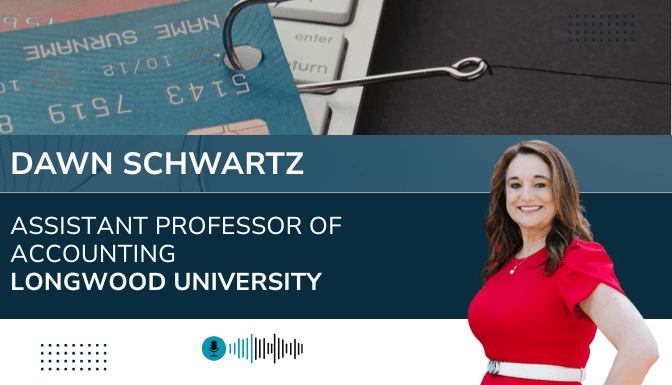
Deepfake technology and synthetic media have rapidly evolved from experimental tools into practical instruments of financial fraud. Executives can now be impersonated through AI-generated video, voices can be cloned to bypass internal approval processes, and synthetic identity documents can be used to defeat traditional KYC controls. These developments are reshaping the fraud landscape faster than many organisational safeguards can adapt.
This session examines synthetic media fraud from a fraud examination and accounting perspective, focusing on how these schemes are constructed, how they exploit organisational trust and control environments, and how they are detected and investigated in practice. It also explores how accounting, finance, and compliance functions are specifically targeted, and what practical measures can be implemented to reduce exposure in an environment where traditional verification methods are no longer sufficient on their own.
Key Topics Discussed
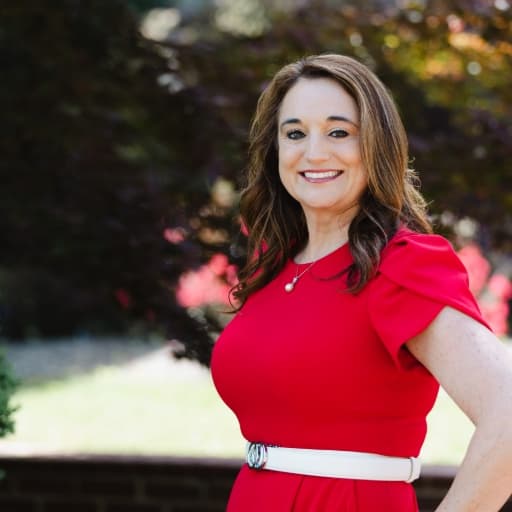
Assistant Professor of Accounting | Longwood University
Dawn Schwartz is a strategic and results-driven financial professional with more than 20 years of experience in accounting, financial management, and analysis, complemented by over a decade of teaching in higher education. Holding credentials as a CPA, CMA, and CFE, she brings a well-rounded perspective that blends technical expertise with a strong commitment to education and professional development. Dawn is highly skilled in data analysis, strategic planning, and financial reporting, with a proven ability to manage complex, time-sensitive responsibilities while maintaining accuracy and clarity. Her experience includes preparing financial statements, developing detailed financial reports, and supporting decision-making through insightful analysis and effective communication. She possesses a solid foundation in Generally Accepted Accounting Principles (GAAP), Governmental Accounting Standards (GASB), and regulatory frameworks, including those specific to the Commonwealth of Virginia. Her background also extends to higher education finance, accounting systems and procedures, and fraud examination, allowing her to approach financial challenges with both technical rigor and practical insight. Known for her analytical mindset and collaborative approach, Dawn combines industry experience with academic engagement to support organizations and learners alike in achieving strong financial outcomes.
Provincial regulators of CPAs in Canada do not require that independent providers of CPD be approved to offer courses. Instead, individual CPAs are responsible for assessing whether a CPD activity meets their requirements, and may take activities from any source provided those requirements are met.
Every course offered on LearnFormula is delivered by a qualified subject matter expert or learning organization, and advances learning objectives that are relevant to the responsibilities or professional competencies of Canadian CPAs. All activities on LearnFormula are quantifiable in terms of hours, and are also verifiable, in that users receive documented evidence of their attendance via a certificate of completion after finishing a course (and this certificate is stored by LearnFormula indefinitely). Nearly 100,000 Canadian CPAs successfully satisfy their CPD requirements via LearnFormula on an annual basis.
