Identify hidden vulnerabilities and implement robust security controls to mitigate emerging fraud threats across mobile wallets, P2P transfers, and modern alternative payment channels.
Digital wallets and alternative payment systems are now embedded across consumer, commercial, and cross-border transactions, reshaping how value is stored, transferred, and recorded. Their rapid adoption has introduced new risks for fraud, misappropriation, concealment, and regulatory non-compliance, while simultaneously reducing the visibility traditionally relied upon by auditors, fraud examiners, and forensic accountants.
This course examines how alternative payment systems operate in practice, including the underlying wallet structures, transaction flows, and integration with virtual currencies and cryptocurrency. It focuses on the practical implications for fraud risk assessment, audit planning, and forensic analysis, rather than on consumer use cases or technical hype.
Participants will develop a clearer understanding of how these systems are exploited, where controls commonly fail, and how evidentiary challenges arise when digital wallets appear in fraud investigations, financial examinations, or audit engagements. The session is designed to support sound professional judgement when confronting non-traditional payment activity in complex cases.

CEO | MyKey Technologies
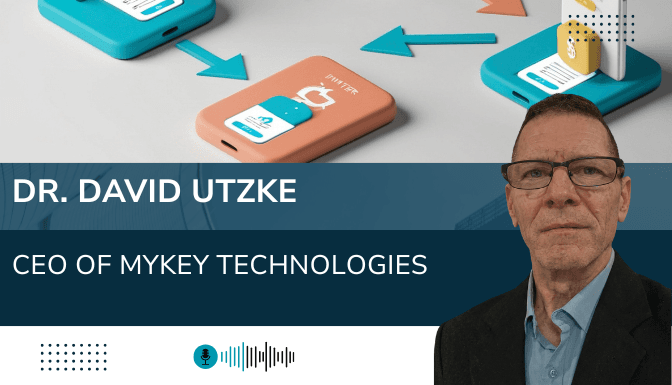
Dr. David Utzke is a pioneering innovator in blockchain-based AI systems and decentralized data intelligence. His work synthesizes emerging technologies with financial systems to create secure, autonomous frameworks for digital asset management, DeFi, and identity verification. With more than a decade serving at the U.S. Treasury’s IRS Cyber Crimes Unit, Dr. Utzke has led groundbreaking cases in digital forensics and decentralized finance. With experience spanning economics, cryptography, and machine learning, Dr. Utzke’s disruptive vision focuses on establishing transparent, human-centered technology that bridges the gap between AI and trust in digital transactions.
Provincial regulators of CPAs in Canada do not require that independent providers of CPD be approved to offer courses. Instead, individual CPAs are responsible for assessing whether a CPD activity meets their requirements, and may take activities from any source provided those requirements are met.
Every course offered on LearnFormula is delivered by a qualified subject matter expert or learning organization, and advances learning objectives that are relevant to the responsibilities or professional competencies of Canadian CPAs. All activities on LearnFormula are quantifiable in terms of hours, and are also verifiable, in that users receive documented evidence of their attendance via a certificate of completion after finishing a course (and this certificate is stored by LearnFormula indefinitely). Nearly 100,000 Canadian CPAs successfully satisfy their CPD requirements via LearnFormula on an annual basis.
