Discover actionable strategies to spot sophisticated cyber scams, prevent property theft, and shield vulnerable older adults from devastating estate and asset fraud.
Financial exploitation targeting older adults has evolved significantly through digital platforms, online communications, identity manipulation, and increasingly sophisticated fraud schemes. Investment scams, mortgage-related fraud, impersonation attacks, romance scams, account takeovers, and coercive financial arrangements can create significant legal consequences within estate planning, powers of attorney, property transactions, and wealth transfer decisions. These issues increasingly raise difficult questions around capacity, undue influence, professional obligations, and safeguarding responsibilities.
This session examines financial exploitation affecting older adults from a legal and risk-management perspective. The course explores how fraud schemes intersect with estate planning, property matters, financial decision-making, and legal practice, while considering practical approaches for identifying risk indicators and protecting vulnerable individuals. Participants will gain practical insight into emerging fraud patterns and the legal considerations arising where financial abuse intersects with planning and advisory work.
Key Topics Discussed:

Mortgage Broker | Quantus Mortgage
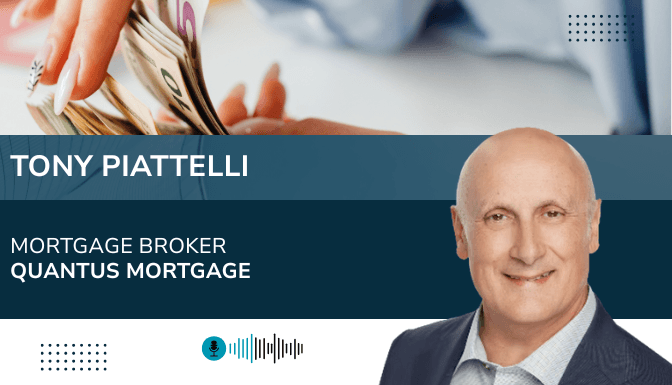
Tony Piattelli is a mortgage broker and finance professional with more than 30 years of experience in banking, lending, and mortgage financing. Having begun his career as a bank teller before progressing to branch management, he has developed extensive expertise in helping individuals, families, and business owners navigate complex financing decisions with confidence. Throughout his career, Tony has arranged residential and commercial mortgage solutions, working closely with clients to identify financing strategies that align with their long-term financial goals. He is known for combining technical lending expertise with a practical, client-focused approach, empowering borrowers to make informed decisions in an evolving mortgage market. Passionate about financial education, Tony believes that informed clients make better financial decisions. He is committed to simplifying the mortgage process, providing clear guidance, and delivering tailored solutions that support homeownership, investment, and long-term financial success.
Provincial regulators of CPAs in Canada do not require that independent providers of CPD be approved to offer courses. Instead, individual CPAs are responsible for assessing whether a CPD activity meets their requirements, and may take activities from any source provided those requirements are met.
Every course offered on LearnFormula is delivered by a qualified subject matter expert or learning organization, and advances learning objectives that are relevant to the responsibilities or professional competencies of Canadian CPAs. All activities on LearnFormula are quantifiable in terms of hours, and are also verifiable, in that users receive documented evidence of their attendance via a certificate of completion after finishing a course (and this certificate is stored by LearnFormula indefinitely). Nearly 100,000 Canadian CPAs successfully satisfy their CPD requirements via LearnFormula on an annual basis.
