Master proactive fraud detection and investigation techniques. Navigate complex scenarios, leverage advanced tools, and safeguard your clients and practice.

This engaging and practical course provides professionals with a comprehensive understanding of how fraud occurs, how to recognize early warning signs, and how to strengthen prevention and detection measures within their organizations. Drawing on over fifteen years of investigative experience, the presenter breaks down the mechanics of occupational and external fraud, explores real case studies, and shares practical strategies for managing risk in both large enterprises and small to medium-sized businesses.
Participants will learn to identify the key elements that make fraud possible—opportunity, pressure, and rationalization—and how to disrupt them through effective internal controls, awareness, and accountability. The course also highlights how evolving technologies, including artificial intelligence, are being used by fraudsters, and how professionals can stay ahead through education and vigilance.
Real-world examples, including scams, expense abuses, and vendor frauds, bring the material to life, demonstrating that no individual or organization is immune. By the end of this session, participants will be better equipped to recognize vulnerabilities, protect their firms and clients, and respond appropriately when fraud is suspected.
Key topics covered include:
Through practical insights and real-world examples, this course will enhance your ability to protect yourself, your clients, and your organizations from the evolving landscape of financial deception.

The CPA Small Practitioners’ Forum was created to offer an inviting, semi-causal, and easygoing professional development weekend that provides substantial professional development value to small practitioners. All profit earned by the CPA Small Practitioners’ Forum is donated to the Alberta CPA Education Foundation, so you are helping young people in Canada get scholarships for university. All these courses are reviewed by the delegates at the Forum in Banff annually so we have a great lineup that is adjusted every year to keep things relevant to small practitioners. If you work at a public accounting firm in Canada with employees of 1-50 people, you are our target demographic and you should find this course useful.
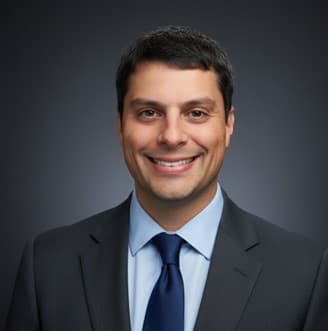
Lead Financial Investigator for nVent
David Nayer is the lead financial investigator for nVent, a publicly listed global electrical manufacturer. David’s experience includes time as a forensic accountant at Grant Thornton (including a secondment to SNC-Lavalin) and as a Controller at Aeroterm, a company that develops and manages airport infrastructure. David began his career at a medium-sized auditing firm based in Montreal where he placed first in Quebec on the 2006 Uniform Final Examination (UFE). In addition to his corporate role, David has shared his expertise by teaching fraud and accounting topics at leading universities and conference presentations for the Association of Certified Fraud Examiners.
Provincial regulators of CPAs in Canada do not require that independent providers of CPD be approved to offer courses. Instead, individual CPAs are responsible for assessing whether a CPD activity meets their requirements, and may take activities from any source provided those requirements are met.
Every course offered on LearnFormula is delivered by a qualified subject matter expert or learning organization, and advances learning objectives that are relevant to the responsibilities or professional competencies of Canadian CPAs. All activities on LearnFormula are quantifiable in terms of hours, and are also verifiable, in that users receive documented evidence of their attendance via a certificate of completion after finishing a course (and this certificate is stored by LearnFormula indefinitely). Nearly 100,000 Canadian CPAs successfully satisfy their CPD requirements via LearnFormula on an annual basis.
