Master advanced detection and mitigation strategies to safeguard digital transactions and outpace financial crime across complex real-time payment networks.
Modern payment ecosystems are transforming the way money moves, enabling real-time transactions, digital wallets, embedded finance, and seamless online experiences. However, as payment systems become faster and more interconnected, fraud risks are evolving just as quickly. Traditional fraud controls are often insufficient against sophisticated threats such as account takeover, synthetic identities, mule networks, merchant abuse, and behavioural manipulation across digital customer journeys.
This practical course explores fraud risk management within today’s complex payment landscape. Participants will examine how fraud patterns emerge across modern transaction environments and learn how organisations use behavioural analytics, transaction monitoring, and risk-based controls to identify and respond to emerging threats. The session provides actionable insights into strengthening fraud prevention while maintaining customer experience, operational efficiency, and business growth.
Key Topics Discussed:

BSA/AML Officer in Fintech
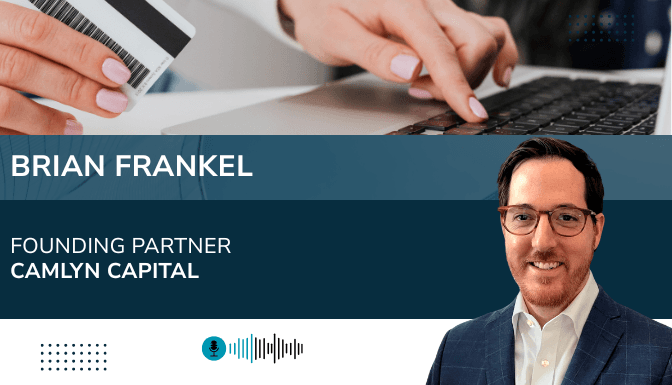
Brian Frankel is a compliance and risk management professional who focuses on designing strategic frameworks that balance risk and growth while supporting business priorities in high-risk areas. He works to drive cross-functional alignment, advise on compliance technology solutions, and strengthen the effectiveness of governance frameworks. He leads initiatives including the development of key risk indicators (KRIs), self-service dashboards for AML, fraud, and sanctions monitoring, as well as change management programs. His expertise combines strategy, team leadership, and data visualization to enhance organizational compliance capabilities and operational insight. Certified as both a CAMS and CFE professional, Brian brings a data-driven approach to compliance and governance, with a strong emphasis on collaboration and scalable solutions. He is passionate about aligning compliance with business objectives and helping organizations navigate complex regulatory environments effectively.
Provincial regulators of CPAs in Canada do not require that independent providers of CPD be approved to offer courses. Instead, individual CPAs are responsible for assessing whether a CPD activity meets their requirements, and may take activities from any source provided those requirements are met.
Every course offered on LearnFormula is delivered by a qualified subject matter expert or learning organization, and advances learning objectives that are relevant to the responsibilities or professional competencies of Canadian CPAs. All activities on LearnFormula are quantifiable in terms of hours, and are also verifiable, in that users receive documented evidence of their attendance via a certificate of completion after finishing a course (and this certificate is stored by LearnFormula indefinitely). Nearly 100,000 Canadian CPAs successfully satisfy their CPD requirements via LearnFormula on an annual basis.
